| As we gather at the Table with Jesus for VBS this year, we're not only going to have a lot of FUN, but we'll also have a lot of FOOD! And to help us "taste and see," we have some local food folks joining us as special guests each day. Each day, these guests will do a food demonstration and share why food is so important to them. And each day, we will have a mission opportunity to join their work in setting tables around our town. So keep reading to see how YOU can participate. |  |
Monday: SaME Café Toledo
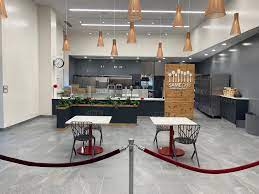 | Mission Offering: Bring in $$ to help SAME CAFÉ to fulfill their name: So All May Eat. SAME is located in the Main Library downtown. Here's more from their website: "SAME Café Toledo is a donation-based, fair exchange nonprofit restaurant that serves healthy food to everyone, regardless of ability to pay. Our mission is to create community through healthy food access. We believe in healthy food, community, and dignity for everyone." And stay tuned for a possible future Gleaning opportunity, where local groups help to harvest from locally grown food sources to supply SAME's menu. |
Tuesday: Food For Thought
 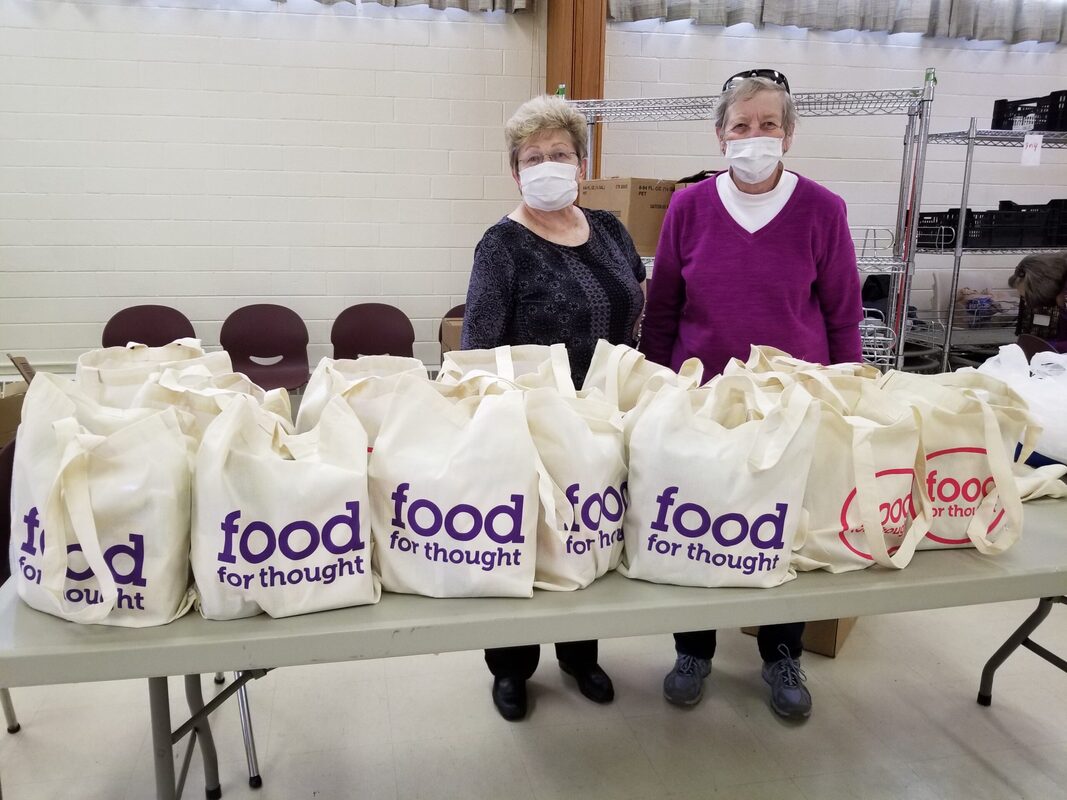 | Mission Offering: The "Peanut Butter vs. Jelly Battle." Bring in jars of peanut butter and/or jelly and see who wins! From their website: The core mission of Food for Thought is to feed the hungry in a thoughtful and intentional manner. We accomplish this through three distinct programs: mobile food pantries, which provide supplemental nutrition assistance (shelf-stable and fresh produce at no cost to patrons) throughout the region; emergency food box delivery; and a weekend lunch distribution and outreach targeting people experiencing homelessness. Food For Thought continues to identify and address barriers to food insecurity and gives anyone with a passion to serve the opportunity to do so. We believe in creating a community where the hunger for food, respect, and belonging is met for all people. |
Wednesday: Kelly's Catering / Mustard Seed
 | Mission Offering: Bring in canned tuna, soup, or other non-perishables to support Mustard Seed, our Point Place food pantry. Kelly and Dan McNabb have been serving the Point Place community and beyond for years, with delicious food and their fan-favorite chuck wagon. They are members of the Point Place Business Association. You can set up a meal with Kelly's Catering by calling or emailing: (419) 392-5699 / kellythecater@gmail.com. Mustard Seed is our local Feed Your Neighbor site, which has served our community for over 20 years. They have food, clothing, toys, books, and more. If you need something or wish to volunteer, you can find Mustard Seed at 5420 302nd St. Toledo, OH 43611 and on Facebook here. |














 RSS Feed